If you’ve read the headlines over the past few months, you’ve probably heard about the Zika virus. You might wonder how serious the virus is and what steps you can take to help protect yourself and your family.
Here at HHS, we’re committed to giving the American people the tools they need to live healthy and productive lives. And information can often be one of the best tools. So I want to share with you some of the things we have learned about this virus, and what you should know.
What is Zika?
Zika is a virus that is primarily spread by mosquitoes, though it can also be s*xually transmitted. As of July 20, there have been 5,200 cases of Zika in the United States and its territories.
The biggest risk of Zika is to pregnant women or women of childbearing age. Zika virus can cause a serious birth defect called microcephaly, as well as other severe fetal brain defects.
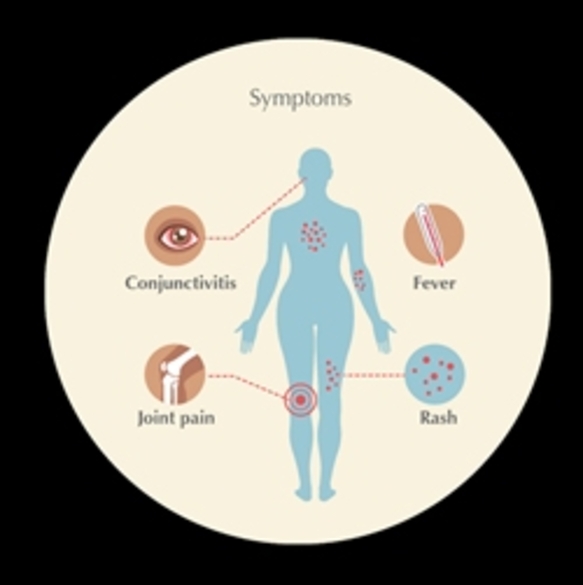
Zika can cause symptoms including fever, rash, joint pain, or red eyes. An illness from Zika is usually mild, and the symptoms typically will only last several days to a week. Based on previous outbreaks, approximately 80 percent of people who have Zika will not have any symptoms.
How Do I Prevent Getting Zika?
Our colleagues at the Centers for Disease Control and Prevention have laid out helpful prevention guidance, which you can find right here. This is particularly important if you travel to an area with active Zika transmission. It is important to remember to follow the guidance not only when you are in an area with active Zika transmission, but also for three weeks after you return.
Pregnant women should not travel to areas with active Zika transmission. If you’re pregnant and you have traveled to an area with Zika, you should visit your doctor or other health care provider as soon as possible, even if you don’t feel sick. This checklist offers some topics and questions you should bring up.
Another way you can prevent Zika is by preventing the most common way Zika spreads – mosquito bites. You can reduce your risk of being bitten by:
•Wearing long-sleeved shirts, and long pants when outside.
•Using EPA-registered insect repellents.
•Installing screens on your windows and doors.
•Emptying containers that collect water, or notifying the proper authorities if you see places where water has collected. The most common type of mosquito that spreads Zika can reproduce in as little water as a bottle cap.
Read and learn more HERE!:
http://www.hhs.gov/zika/index.html# THEN START THE CONVERSATIONS AND KEEP THEM GOING IN YOUR FAMILY, NEIGHBORHOOD, COMMUNITY, SCHOOLS, WORK PLACES, CHURCH ASSEMBLIES!
See, also,
http://www.cdc.gov/zika/
 Posted By: agnes levine
Tuesday, July 26th 2016 at 12:02PM
You can also
click
here to view all posts by this author...