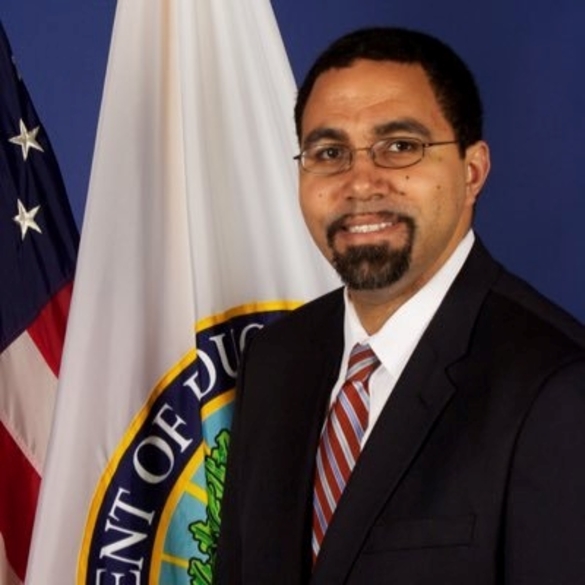
FACT SHEET: New Federal Guidance and Resources to Support Completion and Success in Higher Education"America's path to progress has long depended on our nation's colleges and universities—and today, that's more true than ever, when a college degree is increasingly a ticket to 21st-century careers and a secure middle class life or better," said U.S. Secretary of Education John B. King Jr. "Higher education is the gateway to opportunity for all people."
Editor's Note: State-by-state data follow in the table below.
Earning a college degree remains one of the most important investments one can make in his or her future. Over the course of a lifetime, the average American with a bachelor's degree will earn approximately $1 million more than those without any postsecondary education, are more likely to repay their loans successfully, and is also far less likely to face unemployment. Ensuring all Americans have the opportunity to gain the knowledge and skills needed to succeed in the global economy is critical to our nation's economic competitiveness and success; by 2020, an estimated two-thirds of job openings will require postsecondary education or training.[1]
That's why the Obama Administration has made historic investments to ensure college opportunity, affordability, and success, doubling investments in Pell Grants; creating the American Opportunity Tax Credit worth $10,000 over four years of college; making student loans more affordable by cutting interest rates and allowing borrowers to cap student loan payments at 10 percent of income through the Pay As You Earn and other income-driven repayment plans; making access to financial aid and college information simpler and faster; and promoting innovation and competition to bring down costs and improve college quality. The results show: more students are graduating college than ever, and new student loan defaults, delinquencies, and forbearances are on the decline.
Despite this progress, many American families still feel college is out of reach, and persistent gaps exist in college attendance and completion. While half of all people from high-income families will earn a bachelor's degree by age 24, just one in 10 people from low-income families will.[2] In addition, today's college students face new and different challenges. Nearly nine of 10 undergraduates live off-campus—either with parents, children, or roommates, or on their own. [3] About seven in 10 community college students work while they're in college; nearly a third work full-time.[4] And one in four undergraduates are parents; more than 10 percent of undergraduates are single parents.[5] Too many students face barriers to completing college due to lack of access to basic resources like housing, food, health care, and childcare.
Completion Is Critical for Managing Loan Repayment
Students who complete their degrees experience better long-run outcomes. College graduates are more likely to be employed, have good-paying jobs, and pay back their student loans on time and successfully. But increasing college costs deter some would-be students from pursuing a college education. Between 1992 and 2012, the average amount owed by a typical student loan borrower who graduated with a bachelor's degree more than doubled to a total of nearly $27,000.[6]
Over the past seven years the Obama Administration has advanced the dialogue about college to include increased access and completion. And for student loan borrowers, their ability to repay their loans depends more strongly on whether they complete their program of study than how much total debt they take on.
•Two out of five first-time, full-time students who enroll in a bachelor's degree program don't graduate within six years.
•The median debt of borrowers who defaulted by the end of June 2016 is less than $11,300, barely half of the median debt load for all students—$19,724.
Read and learn more HERE!:
http://www.ed.gov/…/%E2%80%9Camerica%E2%80...
 Posted By: agnes levine
Wednesday, November 16th 2016 at 12:34PM
You can also
click
here to view all posts by this author...