FOR IMMEDIATE RELEASE!
PRESCHOOL DEVELOPMENT GRANTS
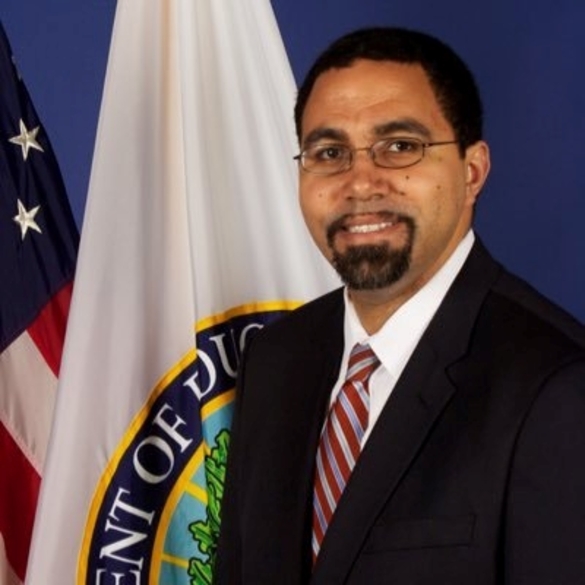
This week, Secretary King announced more than $247 million in awards (http://www.ed.gov/…/us-departments-education-and-health-and…) to 18 states under the Preschool Development Grants (PDG)
http://www2.ed.gov/p…/preschooldevelopment... program to continue expanding access to high-quality preschool for children from low- and moderate-income families. The awards (http://www2.ed.gov/…/presch…/2015apr/pdgprogressfinal15.pdf…) are the third year of grants to states working with local communities to prepare the nation’s most vulnerable children for success in school and beyond. Jointly administered by the Departments of Education and Health and Human Services, the program has invested a total of $750 million and expanded access to new, high-quality preschool classrooms -- or improved programs -- in 230 high-need communities.
At the same time, the agency released a national report (http://www2.ed.gov/…/preschooldevelopment…/performance.html…) and state progress reports on the PDG program. These reports detail how states are meeting high standards and improving access to early learning for at-risk children. Classrooms improved by supporting well-qualified and compensated teachers, expanding to full-day programs, reducing class sizes or child-teacher ratios, providing professional development, and supplying comprehensive services. Last school year, over 28,000 children from low-income families had access to quality early learning because of PDG. This school year, another 35,000 children had the chance to enroll in these programs.
With the support of PDG, states have demonstrated a strong commitment to closing equity gaps and expanding opportunities so all children have a chance to succeed. States met 90% of their targets for number of children served. Six states -- Alabama, Louisiana, New Jersey, New York, Rhode Island, and Virginia -- met or substantially exceeded their targets, reaching more children than planned. In their applications, states also committed to provide inclusive opportunities for children with disabilities. Across all grantees, 8.5% of children served were children with disabilities, which is above the national average of four-year-old children with disabilities in the nation (6.4%).
Separately, the Departments of Education and Health and Human Services released a joint report to help states refine their capacity to use existing data from early childhood programs to improve services for young children and families. The report covers critical considerations when states integrate data and details progress in eight states developing and using early childhood integrated data systems (ECIDS). It also discusses technical assistance, offers resources to states for ECIDS development, and reflects on lessons learned from additional states.
Please start the conversations this Holy-Day Season everywhere!
 Posted By: agnes levine
Friday, December 2nd 2016 at 6:00PM
You can also
click
here to view all posts by this author...